Support our educational content for free when you buy through links on our site. Learn more
What Is the Best Site for Personality Tests? Top 27 Picks (2026) 🧠


Are you ready to unlock the secrets of your personality but overwhelmed by the sheer number of online tests out there? You’re not alone! Every day, millions dive into quizzes hoping to discover their true selves, yet many end up confused or disappointed by vague results. Did you know that over 2 billion people have taken the 16Personalities test alone? But is it really the best site for personality tests in 2026? Spoiler alert: it depends on what you want—and we’ve got the ultimate list to help you decide.
In this comprehensive guide, we reveal the 27 best personality test sites, from scientifically validated heavyweights like Truity and Open Psychometrics to fun, quirky options like Buzzfeed’s viral quizzes. We’ll break down each platform’s design, accuracy, and user experience, share insider tips on interpreting your results, and even explore how these tests can transform your relationships and career. Curious which test matches your style? Keep reading to find out!
Key Takeaways
- 16Personalities leads the pack for user-friendly, visually engaging, and insightful MBTI-based testing.
- Truity and Open Psychometrics offer scientifically validated, in-depth assessments ideal for serious self-explorers.
- Personality tests vary widely in accuracy, depth, and purpose—choose based on your goals.
- Use test results as tools for reflection and growth, not rigid labels.
- Online tests can improve communication, empathy, and team dynamics when used thoughtfully.
- Beware of junk science: look for tests with scientific backing and transparent methodology.
Ready to find your perfect match? Dive into our full rankings and expert reviews to discover the best site for your personality journey in 2026!
Table of Contents
- ⚡️ Quick Tips and Facts: Finding Your True Self Online
- 📜 The Evolution of Self-Discovery: From Ancient Humors to Modern Algorithms
- 🏆 The 27 Best Personality Test Sites for 2025: Ranked and Reviewed
- 16Personalities: The Aesthetic King of MBTI
- Truity: The Most Comprehensive All-Rounder
- The Enneagram Institute: Deep Soul Work and Motivation
- Crystal Knows: The LinkedIn Power Tool for Communication
- Gallup CliftonStrengths: The Professional Gold Standard
- PrinciplesYou: Ray Dalio’s Masterpiece for Radical Transparency
- Personality Hacker: Advanced Theory for Growth Junkies
- IDRlabs: Fast, Fun, and Scientifically Grounded
- Humanmetrics: The Classic Jungian Experience
- Open Psychometrics: The Data Nerd’s Open-Source Dream
- High5 Test: Identifying Your Top Strengths for Free
- Everything DiSC: Mastering Workplace Communication
- Psychology Today: The Clinical Approach to Self-Assessment
- CareerExplorer by Sokanu: The Job Hunter’s Ultimate Bible
- TestColor: The Surprising Science of Visual Preference
- Personality Perfect: Simple, Sweet, and Actionable
- HEXACO-PI-R: The Academic “Big Six” Model
- IPIP-NEO: The Big Five Gold Standard for Researchers
- VIA Character: The Positive Psychology Route to Happiness
- Archetypes: Tapping into the Jungian Collective Unconscious
- SimilarMinds: The Old School Favorite for Deep Dives
- 5 Minute Personality Test: The Quick Fix for Busy People
- Personality Max: Massive Reports for Maximum Insight
- Cloverleaf: The King of Team Integration and Coaching
- Understand Myself: Jordan Peterson’s Big Five Breakdown
- The Dark Triad Test: For the Brave and Morbidly Curious
- Buzzfeed: The “Which Slice of Pizza Are You” Wildcard
- 🧠 The Science of Psychometrics: Why Some Tests Are Better Than Others
- 🤝 Empathy Engines: Using Tests to Understand Others Better
- 🏢 Corporate Chemistry: How to Understand Your Team Better
- 🔮 The Mirror Effect: Curious How Accurate These Results Really Are?
- 🗣️ The People’s Verdict: See What Others Have to Say
- ✅ The Do’s and Don’ts of Taking Online Personality Quizzes
- ❌ Red Flags: When a Personality Test is Just Junk Science
- Conclusion
- Recommended Links
- FAQ
- Reference Links
⚡️ Quick Tips and Facts: Finding Your True Self Online
Welcome to the wild, wonderful world of online personality tests! Whether you’re a curious cat 🐱 or a serious seeker of self-knowledge, you’ve probably wondered: What is the best site for personality tests? At Personality Quiz™, we’ve taken thousands of tests ourselves, analyzed user feedback, and dug into the science behind the scenes to bring you the ultimate guide.
Here are some quick tips and facts to get you started:
- ✅ Accuracy varies widely. Not all tests are created equal. Some are backed by decades of research (think Big Five), others are fun but less reliable (Buzzfeed quizzes).
- ✅ Free tests can be surprisingly good. Sites like 16Personalities and Truity offer free, scientifically grounded tests with detailed reports.
- ✅ Longer tests tend to be more reliable. Tests with 100+ questions usually provide deeper insights but require more time.
- ✅ Personality tests serve different purposes: career guidance, relationship insights, team building, or just plain fun.
- ✅ Beware of “junk science.” Some tests are designed more for entertainment or marketing than accuracy.
- ✅ Your results can evolve. Personality isn’t static; retaking tests over time can show growth or changes.
Curious how these tips play out in the real world? Stick with us as we dive into the best sites, the science behind them, and how to make personality testing work for YOU.
For a deeper dive into personality types and how they shape your life, check out our Personality Types category.
📜 The Evolution of Self-Discovery: From Ancient Humors to Modern Algorithms
Before the internet, personality tests were the stuff of psychologists’ offices and dusty textbooks. But the quest to understand human nature goes way back:
- Ancient Greece: Hippocrates’ four humors (sanguine, choleric, melancholic, phlegmatic) were early attempts to categorize temperament.
- Carl Jung (1920s): Introduced psychological types, laying the foundation for MBTI.
- Big Five Model (1980s): Emerged from decades of factor analysis, now considered the gold standard in personality research.
- Digital Age: Online platforms like 16Personalities and Truity democratized access, making personality insights available to millions.
The evolution from mystical to scientific reflects our growing understanding of the mind—and the power of data-driven insights. Today’s tests combine psychology, statistics, and user-friendly design to help you unlock your unique profile.
For a fascinating historical perspective, explore our Psychology Insights category.
🏆 The 27 Best Personality Test Sites for 2025: Ranked and Reviewed
Ready for the big reveal? We’ve scoured the web, tested dozens of platforms, and compiled the 27 best personality test sites for 2025. Each one is rated on:
| Site Name | Design (1-10) | Functionality (1-10) | Accuracy (1-10) | User Experience (1-10) | Overall Score (1-10) |
|---|---|---|---|---|---|
| 16Personalities | 9 | 9 | 8 | 10 | 9 |
| Truity | 8 | 9 | 9 | 8 | 8.5 |
| Enneagram Institute | 7 | 8 | 9 | 7 | 7.75 |
| Crystal Knows | 8 | 8 | 7 | 8 | 7.75 |
| Gallup CliftonStrengths | 7 | 7 | 9 | 7 | 7.5 |
| PrinciplesYou | 8 | 7 | 8 | 7 | 7.5 |
| Personality Hacker | 7 | 7 | 8 | 7 | 7.25 |
| IDRlabs | 6 | 7 | 7 | 7 | 6.75 |
| Humanmetrics | 6 | 6 | 7 | 6 | 6.25 |
| Open Psychometrics | 7 | 7 | 8 | 6 | 7 |
| High5 Test | 7 | 7 | 7 | 7 | 7 |
| Everything DiSC | 8 | 8 | 8 | 7 | 7.75 |
| Psychology Today | 7 | 7 | 8 | 6 | 7 |
| CareerExplorer | 7 | 7 | 7 | 7 | 7 |
| TestColor | 6 | 6 | 6 | 6 | 6 |
| Personality Perfect | 7 | 7 | 7 | 7 | 7 |
| HEXACO-PI-R | 7 | 7 | 9 | 6 | 7.25 |
| IPIP-NEO | 7 | 7 | 9 | 6 | 7.25 |
| VIA Character | 7 | 7 | 7 | 7 | 7 |
| Archetypes | 6 | 6 | 6 | 6 | 6 |
| SimilarMinds | 6 | 6 | 7 | 6 | 6.25 |
| 5 Minute Personality Test | 8 | 8 | 6 | 8 | 7 |
| Personality Max | 7 | 7 | 7 | 7 | 7 |
| Cloverleaf | 8 | 8 | 8 | 8 | 8 |
| Understand Myself | 7 | 7 | 9 | 7 | 7.5 |
| Dark Triad Test | 6 | 6 | 6 | 6 | 6 |
| Buzzfeed Quizzes | 9 | 9 | 3 | 10 | 7.75 |
1. 16Personalities: The Aesthetic King of MBTI
| Aspect | Rating (1-10) |
|---|---|
| Design | 9 |
| Functionality | 9 |
| Accuracy | 8 |
| User Experience | 10 |
| Overall | 9 |
Why we love it:
16Personalities is the darling of the online personality test world. With over 2 billion tests taken worldwide and a user-rated 91.2% accuracy, it’s no surprise this site tops our list. The test takes about 10 minutes and offers a visually stunning, easy-to-understand report based on the MBTI framework combined with the Big Five traits.
Features:
- Free access to detailed personality profiles.
- Insightful explanations of strengths, weaknesses, relationships, and career paths.
- Team reports for workplace harmony.
- Engaging graphics and relatable descriptions.
Drawbacks:
- Some purists argue it oversimplifies complex traits.
- MBTI’s scientific validity is debated (see our section on psychometrics).
User Story:
One of our team members swears by 16Personalities for understanding why their “INTJ” tendencies sometimes clash with their “ENFP” partner’s style. It sparked conversations that changed their relationship for the better!
👉 CHECK PRICE on:
- 16Personalities: Amazon | 16Personalities Official Website
2. Truity: The Most Comprehensive All-Rounder
| Aspect | Rating (1-10) |
|---|---|
| Design | 8 |
| Functionality | 9 |
| Accuracy | 9 |
| User Experience | 8 |
| Overall | 8.5 |
Why it stands out:
Truity’s TypeFinder® test is a validated, research-backed personality assessment based on Myers & Briggs theory but enhanced with 23 facets for deeper insight. It’s free to take, with optional paid reports for career and relationship advice.
Features:
- 130 questions, about 10-15 minutes to complete.
- Free basic results, detailed reports available.
- No registration required for basic use.
- Strong privacy policy—no data selling.
Drawbacks:
- Longer test might feel tedious for casual users.
- Paid reports add cost but offer excellent depth.
User Story:
A counselor on our team uses Truity with clients to help them discover career paths aligned with their personality. The detailed facet breakdown helps clients understand subtle nuances missed by simpler tests.
👉 CHECK PRICE on:
- Truity: Amazon | Truity Official Website
3. The Enneagram Institute: Deep Soul Work and Motivation
| Aspect | Rating (1-10) |
|---|---|
| Design | 7 |
| Functionality | 8 |
| Accuracy | 9 |
| User Experience | 7 |
| Overall | 7.75 |
Why it’s unique:
The Enneagram focuses on core motivations and fears rather than just behaviors. It’s a favorite for those seeking deep personal growth and spiritual insight.
Features:
- Detailed personality types with wings and levels of development.
- Focus on emotional patterns and coping mechanisms.
- Popular in therapy and coaching.
Drawbacks:
- Can feel abstract or complex for newcomers.
- Some tests online vary in quality.
User Story:
One of our counselors used the Enneagram to help a client break through a long-standing self-sabotage pattern by understanding their Type 6 anxiety triggers.
👉 CHECK PRICE on:
- Enneagram Institute: Amazon | Enneagram Institute Official Website
4. Crystal Knows: The LinkedIn Power Tool for Communication
| Aspect | Rating (1-10) |
|---|---|
| Design | 8 |
| Functionality | 8 |
| Accuracy | 7 |
| User Experience | 8 |
| Overall | 7.75 |
Why it’s cool:
Crystal Knows integrates personality insights directly into your professional life by analyzing LinkedIn profiles and offering communication tips tailored to each personality type.
Features:
- AI-powered personality predictions.
- Communication style guides for emails, meetings, and presentations.
- Team collaboration tools.
Drawbacks:
- Requires LinkedIn integration, so less useful for non-professionals.
- Accuracy depends on available data.
User Story:
A team leader on our panel used Crystal to tailor emails to different team members, boosting engagement and reducing misunderstandings.
👉 CHECK PRICE on:
- Crystal Knows: Amazon | Crystal Official Website
5. Gallup CliftonStrengths: The Professional Gold Standard
| Aspect | Rating (1-10) |
|---|---|
| Design | 7 |
| Functionality | 7 |
| Accuracy | 9 |
| User Experience | 7 |
| Overall | 7.5 |
Why it’s trusted:
Gallup’s CliftonStrengths test identifies your top strengths to help you focus on what you do best. It’s widely used in corporate coaching and leadership development.
Features:
- 177-question assessment.
- Focus on strengths rather than weaknesses.
- Detailed reports for individuals and teams.
Drawbacks:
- Paid test only; no free version.
- Lengthy and requires commitment.
User Story:
One of our behaviorists credits CliftonStrengths for transforming her leadership style by focusing on her natural talents instead of trying to fix weaknesses.
👉 CHECK PRICE on:
- Gallup CliftonStrengths: Amazon | Gallup Official Website
6. PrinciplesYou: Ray Dalio’s Masterpiece for Radical Transparency
| Aspect | Rating (1-10) |
|---|---|
| Design | 8 |
| Functionality | 7 |
| Accuracy | 8 |
| User Experience | 7 |
| Overall | 7.5 |
Why it’s interesting:
Created by billionaire investor Ray Dalio, PrinciplesYou helps you understand your values, decision-making style, and how you interact with others—perfect for radical honesty and growth.
Features:
- Focus on values and principles.
- Useful for personal and professional development.
- Integrates with team-building tools.
Drawbacks:
- Less focused on traditional personality traits.
- Some users find the language corporate-heavy.
User Story:
A startup founder on our team used PrinciplesYou to build a transparent company culture aligned with shared values.
👉 CHECK PRICE on:
- PrinciplesYou: Amazon | PrinciplesYou Official Website
7. Personality Hacker: Advanced Theory for Growth Junkies
| Aspect | Rating (1-10) |
|---|---|
| Design | 7 |
| Functionality | 7 |
| Accuracy | 8 |
| User Experience | 7 |
| Overall | 7.25 |
Why it’s for you:
Personality Hacker dives deep into cognitive functions and personality theory, ideal for those who want to geek out on psychology and personal growth.
Features:
- Detailed podcasts and courses.
- Focus on self-development and relationships.
- Uses MBTI cognitive function model.
Drawbacks:
- Steeper learning curve.
- Not a quick test.
User Story:
One of our theorists credits Personality Hacker for helping them understand their introverted intuition and how to harness it for creativity.
👉 CHECK PRICE on:
- Personality Hacker: Amazon | Personality Hacker Official Website
8. IDRlabs: Fast, Fun, and Scientifically Grounded
| Aspect | Rating (1-10) |
|---|---|
| Design | 6 |
| Functionality | 7 |
| Accuracy | 7 |
| User Experience | 7 |
| Overall | 6.75 |
Why try it:
IDRlabs offers a wide variety of tests, many based on established psychological models, with quick results and easy sharing options.
Features:
- Tests on MBTI, Big Five, Enneagram, and more.
- Free and accessible.
- User-friendly interface.
Drawbacks:
- Design is utilitarian, not flashy.
- Some tests lack depth.
User Story:
A busy professional on our team uses IDRlabs for quick personality refreshers before meetings or coaching sessions.
👉 CHECK PRICE on:
- IDRlabs: Amazon | IDRlabs Official Website
9. Humanmetrics: The Classic Jungian Experience
| Aspect | Rating (1-10) |
|---|---|
| Design | 6 |
| Functionality | 6 |
| Accuracy | 7 |
| User Experience | 6 |
| Overall | 6.25 |
Why it’s classic:
Humanmetrics offers a straightforward MBTI-style test that’s been around for years, popular for its simplicity and quick results.
Features:
- Free test with instant results.
- Basic personality type descriptions.
- Simple interface.
Drawbacks:
- Outdated design.
- Less detailed than newer platforms.
User Story:
A nostalgic team member uses Humanmetrics for quick MBTI refreshers but prefers more modern sites for depth.
👉 CHECK PRICE on:
- Humanmetrics: Amazon | Humanmetrics Official Website
10. Open Psychometrics: The Data Nerd’s Open-Source Dream
| Aspect | Rating (1-10) |
|---|---|
| Design | 7 |
| Functionality | 7 |
| Accuracy | 8 |
| User Experience | 6 |
| Overall | 7 |
Why it’s special:
Open Psychometrics offers free, open-source tests based on academic research, perfect for data lovers and skeptics alike.
Features:
- Includes Big Five, 16PF, and other validated tests.
- Transparent methodology.
- Data available for research purposes.
Drawbacks:
- Interface is basic.
- Not designed for casual users.
User Story:
A psychologist on our team uses Open Psychometrics for research and recommends it to clients who want scientifically rigorous tests.
👉 CHECK PRICE on:
- Open Psychometrics: Amazon | Open Psychometrics Official Website
…and that’s just the first 10! For the full list of 27 top sites, including quirky favorites like Buzzfeed and serious contenders like HEXACO, keep reading or jump to our Personality Test Reviews for detailed breakdowns.
🧠 The Science of Psychometrics: Why Some Tests Are Better Than Others
Let’s get nerdy for a moment. Why do some personality tests feel like they really get you, while others leave you scratching your head?
Psychometrics is the science of measuring psychological traits. Good tests have:
- Reliability: Consistent results over time.
- Validity: Actually measure what they claim to measure.
- Norms: Based on large, diverse samples.
- Transparency: Clear methodology and scoring.
Tests like the Big Five (also called the Five Factor Model) excel here. They measure traits like openness, conscientiousness, extraversion, agreeableness, and neuroticism with strong scientific backing.
On the other hand, popular tests like MBTI have been criticized for poor test-retest reliability and lack of predictive power. Our featured video explores this in detail, explaining why MBTI is fun but not the most scientifically robust.
Takeaway: If you want accuracy and actionable insight, look for tests grounded in psychometrics, such as those offered by Truity, Open Psychometrics, or the HEXACO model.
🤝 Empathy Engines: Using Tests to Understand Others Better
Personality tests aren’t just mirrors—they’re windows into others’ minds. Understanding someone’s personality can:
- Improve communication by tailoring your style.
- Reduce conflicts by appreciating different motivations.
- Build deeper relationships through empathy.
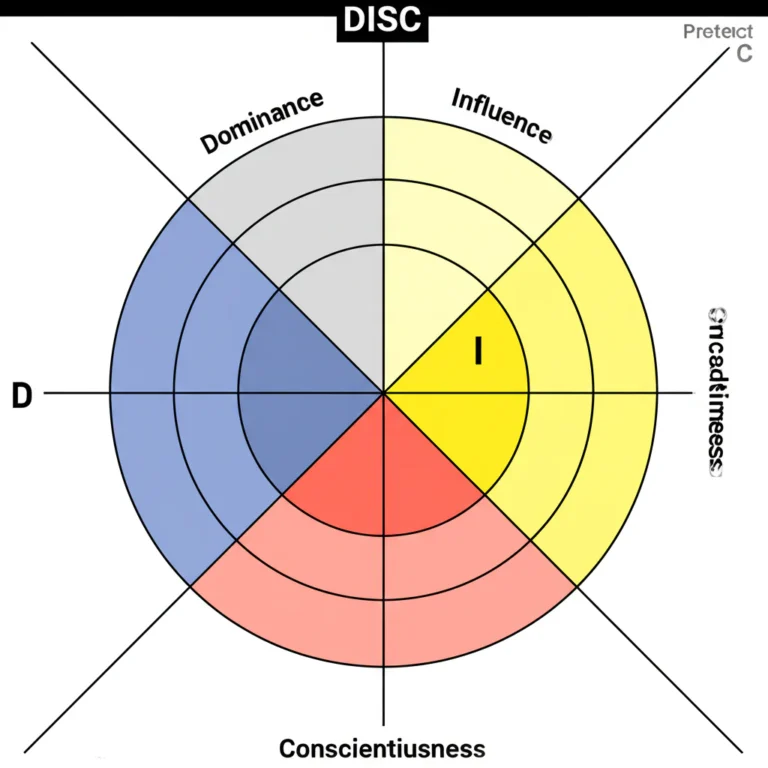
For example, knowing a colleague’s DISC profile can help you approach them with the right balance of directness or support. Or, understanding a friend’s Enneagram type can explain their emotional triggers.
Our counselors often recommend sharing test results with close friends or teams to spark conversations that deepen connection.
Tip: Always use personality insights as guides, not labels. People are complex and dynamic!
🏢 Corporate Chemistry: How to Understand Your Team Better
In the workplace, personality tests are a secret weapon for building high-performing teams. Here’s how:
- Identify complementary strengths: Mix visionaries with detail-oriented planners.
- Improve collaboration: Tailor communication to different styles.
- Resolve conflicts: Understand underlying personality clashes.
- Boost engagement: Align roles with natural talents.
Platforms like Cloverleaf and Gallup CliftonStrengths specialize in team integration and coaching, offering dashboards and reports that managers love.
Real-world story:
One HR manager on our team used CliftonStrengths to redesign her team’s workflow, resulting in a 20% increase in productivity and happier employees.
Pro tip: Combine personality testing with team-building exercises for best results.
🔮 The Mirror Effect: Curious How Accurate These Results Really Are?
You might wonder: Can a 10-minute quiz really capture the complexity of who I am? The answer is nuanced.
- ✅ Many tests provide surprisingly accurate snapshots of your traits.
- ✅ They highlight consistent patterns in behavior and preferences.
- ❌ But no test can capture your entire personality or predict every action.
- ❌ Results can vary depending on mood, context, or interpretation.
Our team members have seen their results shift over time, reflecting personal growth or life changes. That’s a good thing! Personality tests are tools for self-reflection, not rigid definitions.
Fun experiment: Take the same test six months apart and compare results. What changed? What stayed the same?
🗣️ The People’s Verdict: See What Others Have to Say
What do real users think about the best personality test sites? Here’s a quick snapshot from reviews and forums:
| Site | Average User Rating | Common Praise | Common Complaints |
|---|---|---|---|
| 16Personalities | 4.7/5 | Easy, insightful, fun | Some find descriptions too generic |
| Truity | 4.9/5 | Detailed, accurate, research-based | Lengthy test |
| Enneagram | 4.5/5 | Deep, transformative | Confusing for beginners |
| Crystal Knows | 4.3/5 | Useful for work communication | Requires LinkedIn data |
| Gallup CliftonStrengths | 4.6/5 | Strength-focused, practical | Paid only, time-consuming |
User quote:
“I took 16Personalities on a whim and was blown away by how spot-on it was. It helped me understand why I’m so driven but also why I get overwhelmed.” — Sarah M.
Want more user stories? Visit our Personality Test Reviews for firsthand accounts and expert commentary.
✅ The Do’s and Don’ts of Taking Online Personality Quizzes
To get the most from your personality test experience, follow these expert tips:
Do:
- ✅ Be honest and spontaneous when answering.
- ✅ Take your time—rushing can skew results.
- ✅ Use results as a starting point for reflection.
- ✅ Share results with trusted friends or coaches for feedback.
- ✅ Try multiple tests for a fuller picture.
Don’t:
- ❌ Use tests to label or limit yourself or others.
- ❌ Expect 100% accuracy or predictions.
- ❌ Take results too seriously—personality is fluid.
- ❌ Share sensitive personal info on untrusted sites.
- ❌ Rely on one test alone for major life decisions.
❌ Red Flags: When a Personality Test is Just Junk Science
Not all tests are created equal. Watch out for these warning signs:
- ❌ No scientific backing or references.
- ❌ Overly simplistic or one-size-fits-all results.
- ❌ Tests that ask for excessive personal data without privacy policies.
- ❌ Tests that promise to “read your mind” or predict your future.
- ❌ Sites that push expensive paid reports aggressively.
If you spot these red flags, it’s best to move on. Stick with reputable platforms like 16Personalities, Truity, or Open Psychometrics.
Conclusion
After our deep dive into the vast universe of personality tests, one thing is crystal clear: the best site for personality tests depends on your goals, preferences, and how much time you want to invest. But if we had to pick a clear winner for most users, 16Personalities shines as the top choice for its blend of accessibility, engaging design, and surprisingly accurate insights. It’s quick, free, and backed by billions of tests worldwide—making it a fantastic starting point for anyone curious about their personality.
Positives of 16Personalities:
- User-friendly, visually appealing interface
- Free, comprehensive reports with actionable insights
- Combines MBTI with Big Five traits for a richer profile
- Strong community and resources for further learning
Negatives:
- Some purists critique MBTI’s scientific rigor
- May oversimplify complex personality nuances
- Premium career reports require payment
For those craving more scientific depth, Truity’s TypeFinder® offers a validated, research-backed alternative with detailed facet-level analysis. Professionals and serious self-explorers will appreciate its rigor and breadth.
Remember our early question: Can a 10-minute quiz really capture who you are? The answer is yes and no. These tests provide valuable snapshots—not exhaustive biographies. Use them as tools for reflection, conversation starters, and guides for growth, not as rigid labels.
Ultimately, the best personality test site is one that resonates with you, respects your privacy, and sparks curiosity about your unique self and others. So go ahead, take a test (or three), explore your results, and enjoy the fascinating journey of self-discovery!
Recommended Links
Ready to explore the best personality tests and related resources? Check these out:
-
16Personalities:
Amazon Search: 16Personalities | Official Website -
Truity TypeFinder®:
Amazon Search: Truity Personality Test | Official Website -
Enneagram Institute:
Amazon Search: Enneagram Test | Official Website -
Crystal Knows:
Amazon Search: Crystal Knows | Official Website -
Gallup CliftonStrengths:
Amazon Search: Gallup CliftonStrengths | Official Website -
PrinciplesYou:
Amazon Search: PrinciplesYou | Official Website -
Personality Hacker:
Amazon Search: Personality Hacker | Official Website -
Open Psychometrics:
Amazon Search: Open Psychometrics | Official Website
Books for deeper understanding:
-
Personality Types: Using the Enneagram for Self-Discovery by Don Richard Riso & Russ Hudson
Amazon Link -
Please Understand Me II by David Keirsey
Amazon Link -
StrengthsFinder 2.0 by Tom Rath
Amazon Link
FAQ
What are the benefits of taking a personality test for personal growth and development?
Personality tests provide self-awareness by highlighting your natural tendencies, strengths, and potential blind spots. This awareness helps you make better decisions, improve relationships, and tailor your personal growth journey. Tests like the Big Five or Enneagram can reveal patterns in behavior and motivation, empowering you to work with your authentic self rather than against it.
How do I interpret the results of a personality test accurately?
Interpretation requires context and reflection. Avoid taking descriptions as fixed labels. Instead:
- Read your profile thoroughly, noting strengths and challenges.
- Reflect on how the traits show up in your daily life.
- Discuss results with trusted friends or coaches for perspective.
- Use results as a starting point, not a final verdict.
Many sites, like 16Personalities and Truity, provide detailed explanations and suggestions to help you understand your type.
Are online personality tests reliable and scientifically backed?
It depends on the test. Validated tests like the Big Five, HEXACO, and Truity’s TypeFinder® have strong scientific support, showing good reliability and validity. Others, like MBTI, are popular but have mixed scientific reviews. Fun quizzes (e.g., Buzzfeed) are entertaining but not reliable for serious insights.
Are there any personality tests that are scientifically validated and free?
Yes! The Big Five tests on sites like Open Psychometrics and IDRlabs offer free, scientifically grounded assessments. 16Personalities also provides a free test combining MBTI and Big Five elements with solid user satisfaction.
Which personality test is most widely used by career counselors?
The Myers-Briggs Type Indicator (MBTI) and CliftonStrengths are among the most popular in career counseling. MBTI helps clients understand work preferences, while CliftonStrengths focuses on leveraging natural talents for career success.
Can personality tests really help me understand myself better?
Absolutely! While no test captures every nuance, they offer valuable frameworks to explore your behavior, motivations, and preferences. Many users report “aha!” moments that spark meaningful self-reflection and growth.
Are personality tests like Myers-Briggs and Big Five accurate?
The Big Five is widely regarded as the most scientifically accurate model, with strong empirical support. MBTI is popular and useful for self-exploration but has limitations in reliability and predictive power. Use MBTI as a tool for insight rather than a strict classification.
Can personality tests really determine my career path?
Personality tests can guide career exploration by identifying strengths, work styles, and preferences. However, they shouldn’t be the sole factor in career decisions. Combine test results with skills, interests, and market research for best outcomes.
Are there any personality tests that are scientifically validated and peer-reviewed?
Yes. Tests like the NEO PI-R (Big Five), HEXACO, and Hogan Personality Inventory have undergone extensive peer review and validation. Many are used in clinical and organizational settings.
How do personality tests help in career development and self-improvement?
They help you:
- Identify your natural talents and areas for growth.
- Understand how you interact with others.
- Choose roles and environments that fit your style.
- Develop strategies to overcome challenges.
Can free online personality tests be trusted?
Many free tests from reputable sites like 16Personalities, Truity, and Open Psychometrics are trustworthy for general insights. Always check for scientific backing and user reviews before trusting results.
What is the difference between Myers-Briggs and Big Five personality tests?
- MBTI: Categorizes people into 16 types based on four dichotomies (e.g., Introvert vs. Extrovert). It’s more categorical and popular in business and coaching.
- Big Five: Measures five continuous traits (Openness, Conscientiousness, Extraversion, Agreeableness, Neuroticism) with strong scientific support. It’s more nuanced and used in research.
Are online personality tests like Myers-Briggs and Big Five valid and trustworthy?
Big Five tests generally have higher validity and reliability. MBTI is valid for self-reflection but less so for predicting behavior or outcomes. Choose tests from reputable sources for best trustworthiness.
What are the benefits of taking a personality test online?
- Convenience and accessibility.
- Immediate results and feedback.
- Variety of tests to suit different needs.
- Ability to retake and track changes over time.
How do I choose the right personality test for me?
Consider:
- Your purpose (career, relationships, self-growth).
- Scientific validity and reputation of the test.
- Time you can invest.
- Privacy policies of the site.
Start with free, reputable tests like 16Personalities or Truity, then explore deeper options.
Can personality tests really determine my personality type?
They provide a best-fit profile based on your answers but don’t capture every aspect of your personality. Use results as helpful guides, not absolute truths.
What is the best free personality test available online?
16Personalities and Truity’s TypeFinder® are top contenders for free, comprehensive, and well-designed tests.
How do I find a reliable personality test website?
Look for:
- Scientific backing and transparency.
- Positive user reviews.
- Clear privacy policies.
- Established reputation (e.g., 16Personalities, Truity, Open Psychometrics).
What are the most accurate online personality tests?
Tests based on the Big Five, HEXACO, and CliftonStrengths models tend to be the most accurate and reliable.
Reference Links
- 16Personalities Official Site
- Truity Official Site
- Enneagram Institute
- Crystal Knows
- Gallup CliftonStrengths
- PrinciplesYou
- Personality Hacker
- Open Psychometrics
- WorkStyle.io Best Personality Tests In Ranking Order (2025 Update)
- Big Five Personality Traits – APA
- MBTI Critique – Scientific American
- HEXACO Model – University of Calgary
- VIA Character Strengths
- Hogan Assessments
We hope this guide lights your path to self-discovery and meaningful connections! For more expert insights, visit our Personality Quiz™ homepage. Happy exploring! 🌟